Fire and Water Damage Restoration Services
Fire and water damage at the same property? Call 206-621-7774 at any hour. After a fire there is firefighting water to deal with as well as smoke. We board up openings, remove the water left by firefighting, dry the structure, clean smoke and soot, and pack out and store your belongings, and we document the loss for your insurer as we go.
Fire and Water Damage Restoration in Greater Seattle
We restore both severe and minor fire and water damage, in homes and businesses, across Seattle, Kirkland, Issaquah, Bellevue, Bothell and the wider Seattle-Tacoma area.
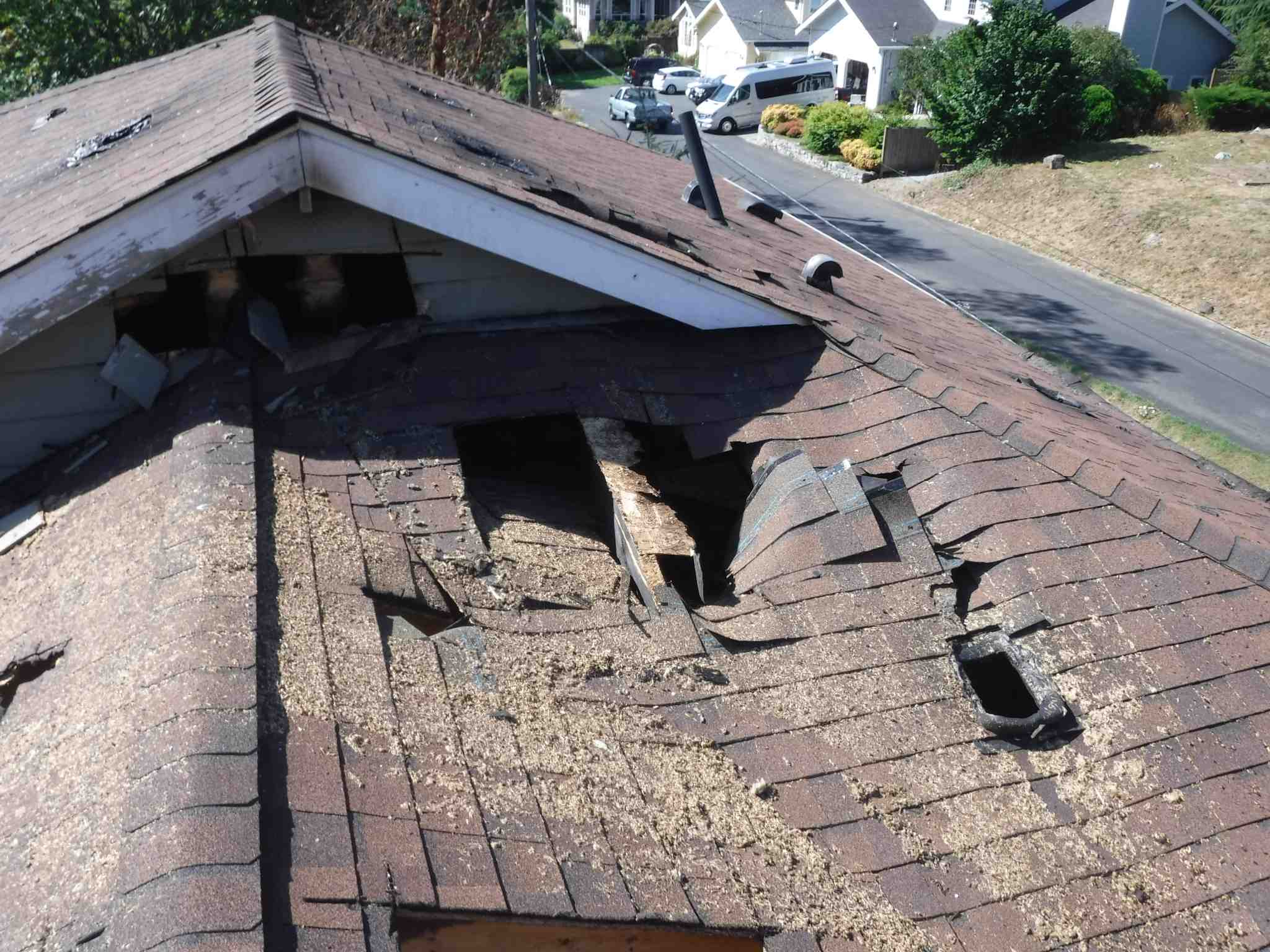
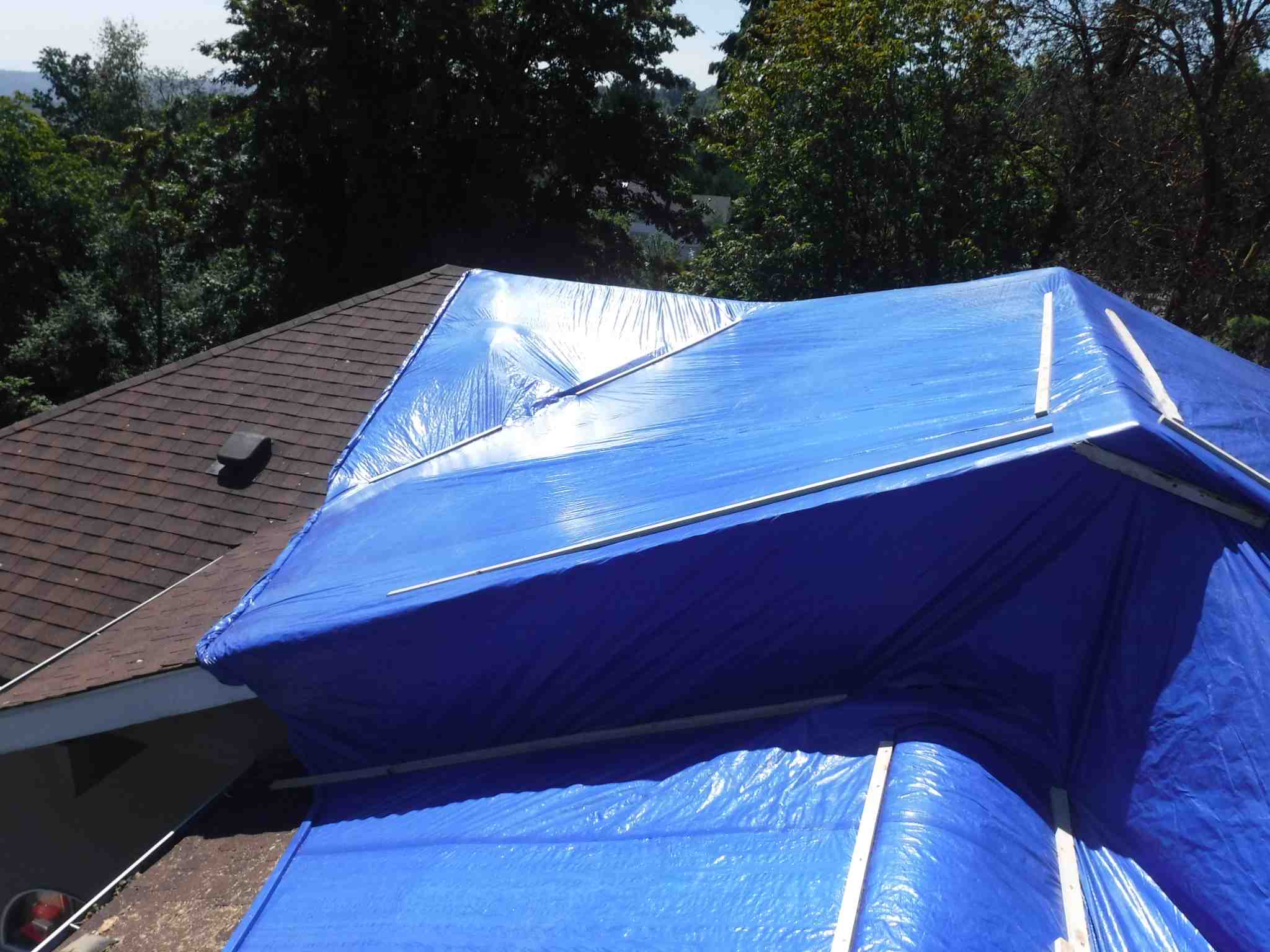
Emergency board-up
Broken windows, doors and other openings are boarded up so rain and break-ins do not add to the loss.
Water from firefighting
Hose and sprinkler water is extracted, and the walls, floors and ceilings are dried. More on water damage restoration.
Smoke and soot cleaning
Soot is removed from walls, ceilings and floors, and from draperies, carpets, other household fabrics and furniture. More on smoke damage restoration.
Odor removal
Smoke residue can work into cracks and crevices of building materials and cause odor problems. We use HEPA vacuums and treatments that break up smoke molecules and eliminate odors.
Contents pack-out and storage
We determine which items can be refurbished, then pack out, clean and store them while the property is repaired. See contents cleaning and storage.
Insurance documentation
The damage is written up room by room, with photos, in the form your adjuster needs. Our insurance page explains how we work with carriers.

After a Fire
The U.S. Fire Administration’s After the Fire booklet covers the basics.
Wait for the all-clear
Do not go into the damaged home unless the fire department says it is safe. Floors and walls may be weaker than they look.
Leave the utilities off
The fire department checks the water, electricity and gas and turns off or disconnects any that are unsafe before it leaves. Do not turn them back on yourself.
Call your insurer
Contact your insurance company promptly and ask what to do first. Keep every receipt for fire-related spending.
Tell your landlord or mortgage lender
Let them know about the fire.
Secure the property
Tell the police if the home will be empty. Windows and doors may need boarding up.
Two things we would add. Photograph every room before anything is moved or thrown out. And if a window, a door or part of the roof is open, tell us when you call, so board-up comes first. Our house fire checklist covers the first 72 hours, and our fire damage restoration guide covers the rest of the process.
Why the Water Cannot Wait
It is important to call as soon as possible. Cleanup that is not done properly can produce more damage.
The EPA says water-damaged areas and items should be dried within 24 to 48 hours to prevent mold growth. Water runs along framing and under flooring, so the wet area is often bigger than it looks. Thermal imaging and moisture meters find the water behind walls and under floors that you cannot see. Where mold has already started, see mold remediation.
Your Insurer Has a Deadline Too
Since 18 October 2026, when your policy requires you to protect the property after a loss, a Washington insurer has five business days to approve the mitigation scope it receives or to send you an approved one (WAC 284-30-330). The rule covers any loss, fire included. We explain how to use it in Washington’s new claim rules.
Fire and Water Damage Questions
Does homeowners insurance cover fire damage?
Usually, within limits. Washington’s Insurance Commissioner points out that a fire payout is based on the cost to repair or rebuild, not on market value; that additional living expense pays only the extra cost of living elsewhere; that upgrades to meet current code usually need an ordinance-or-law endorsement; and that the deductible is almost never waived.
Does homeowners insurance cover water damage?
It depends on where the water came from. Washington’s Insurance Commissioner says a homeowner policy will not cover flooding, which needs separate flood insurance, and that sewer backup and sump overflow cover is an optional endorsement you have to add. Check your declarations page before you need it.
My condo or apartment was not the one that burned. Should I still call my insurer?
Yes, it is worth reporting. Smoke and firefighting water travel between units. For condo owners, Washington’s Insurance Commissioner explains that the association’s master policy and your unit policy work together, and that which one covers your interior finishes depends on the governing documents.
Can I clean up smoke damage myself?
Washington’s Department of Health suggests considering a contractor when ash covers most indoor surfaces, and having suspected asbestos tested before anyone disturbs it. Check with your insurer before you clean or throw anything out.
Rated 4.7 out of 5 on Google (45 reviews). Read our Google reviews.
Fire and Water Damage? Call Any Hour
We answer 24 hours a day, every day of the year.
Call 206-621-7774Request an Estimate